What kind of moderation does Ben do?
Ben hosts panels, fireside conversations, roundtables, and leadership sessions where the conversation needs shape, pace, and a clear landing point.
Not controlling it. Not filling silence. Designing it—so the right voices surface, the hard questions get asked, and the room actually moves somewhere.
You are such an attentive listener. It made it really enjoyable.Jason Rosoff
Ben, these are great questions.Peter Fader, Wharton
Wow, that's a multi-layered question.Mo Gawdat
My goodness, what a question.Haesun Moon
I'm glad you asked — it is a very important point.Tal Ben-Shahar
You are such an attentive listener. It made it really enjoyable.Jason Rosoff
Ben, these are great questions.Peter Fader, Wharton
Wow, that's a multi-layered question.Mo Gawdat
My goodness, what a question.Haesun Moon
I'm glad you asked — it is a very important point.Tal Ben-Shahar
Most moderation fails at preparation or translation—either the host showed up cold, or the session ended without a landing point.
My method has three distinct phases. Each is intentional. Together, they turn a conversation into a decision.
“A panel that doesn't move the audience's thinking is just expensive noise. I'm here to make it land.”
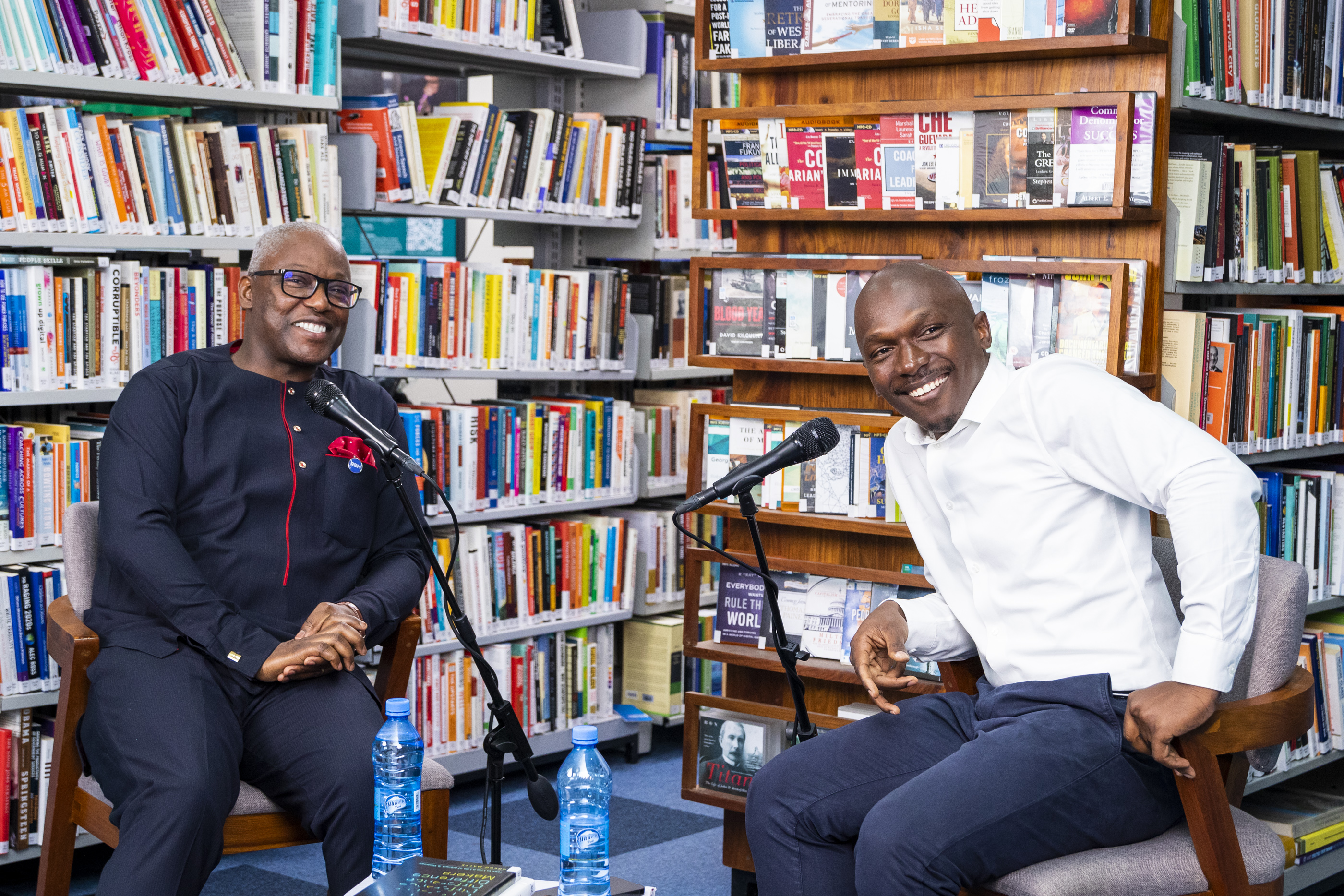
Good moderation starts long before the event. I learn the room, the stakes, and the tensions that actually need airing.
In the room, I'm tracking three things at once: the argument, the energy, and the time. My job is to keep all three honest.
A conversation isn't finished until it lands somewhere. I close every session with a translation: what we heard, what it means, and what comes next.
Panel Moderation
Multi-speaker discussions for conferences, summits, and public forums.
Fireside Conversation
One-on-one or two-person dialogue. Intimate. Prepared. Purposeful.
Leadership Workshop
Facilitated sessions for executive teams making real decisions.
Roundtable
Peer-level conversation with shared stakes. Confidential, structured, honest.
Good moderation is not a louder microphone. It is structure, listening, pressure, and translation in service of a better conversation.
Ben hosts panels, fireside conversations, roundtables, and leadership sessions where the conversation needs shape, pace, and a clear landing point.
The work starts before the room opens. Ben prepares the question arc, learns the tension, and agrees the rules of time and contribution.
The room hears the real thread sooner. Strong voices are focused, quieter voices have a way in, and vague agreement becomes more specific.
Use facilitation when the stakes are high, the room is divided, or the decision keeps returning because it has never been named cleanly.
Let's design the room.
Tell me what you're building. I'll reply with availability.